Payroll for part-time employees remains essential for sectors like retail, hospitality, and healthcare in 2026, where workers typically log 10 to 30 hours per week to cover peak demands. According to recent labor statistics, over 25 million part-time workers represent about 16% of the U.S. workforce, with growth projected due to flexible staffing needs.
While there is no federal law defining part-time or full-time employment, payroll obligations under the fair labor standards act, IRS rules, and state regulations apply equally to all hourly workers. Employers must pay employees accurately, track hours worked, and handle payroll taxes regardless of part time status.
This article delivers a step-by-step framework for classification, pay calculations, benefits proration, compliance strategies, and payroll software solutions like Payrun. Mishandling part-time payroll invites penalties, back pay awards, and employee disputes, making structured processes essential for any small business that wants to maintain strong payroll compliance.
What Is A Part-Time Employee
Part time employees work fewer hours than full time employees within the same organization, typically under 30 to 35 hours per week. Part time employment often involves 20 to 30 hours weekly, though definitions vary by employer.
The Bureau of Labor Statistics defines full time employment as working 35 hours or more per week, while the affordable care act sets the threshold at 30 hours per week for benefits eligibility. The IRS uses 130 hours per month as an alternative measurement for ACA purposes.
Employers should document internal definitions consistently in employee handbooks and offer letters. Consider a 28-hour retail worker classified as part-time versus a 40-hour office administrator receiving full benefits. This distinction affects eligibility for health insurance, retirement plans, and paid leave. Misalignment between internal policies and legal requirements can create compliance risks during audits.
How To Handle Payroll For Part-Time Employees
This section provides a practical framework covering classification, hours, rates, overtime, benefits proration, taxes, and recordkeeping for part-time staff.
Clarify Employment Status And Job Classification
Distinguish between part-time, full-time, seasonal employees, temporary employees, and independent contractor classification before adding anyone to payroll. Misclassifying employees as independent contractors triggers IRS penalties and back taxes. You cannot pay independent contractors as employees or vice versa without consequences.
Document job titles, exemption status (most part-time hourly workers are non exempt employees), expected hours per week, and primary work location in written offers. For example, a 20-hour non-exempt customer service agent should have Form I-9, W-4, and classification details recorded at hire. Employee classification must align with ACA measurement periods and state laws that may define part time status differently for certain benefits.
Set Accurate Hourly Rates And Multiple Pay Rates
Base hourly wage rates should reflect local minimum wage requirements, industry benchmarks, and internal pay bands. Part time workers may earn different rates for different tasks, such as a higher rate for weekend shifts.
Configure automated payroll software systems to support multiple pay rates per employee. A hospitality worker might earn $15 on weekdays and $18 on Sundays. For a 25-hour week with 20 weekday hours ($300) and 5 Sunday hours ($90), gross pay totals $390 before deductions. Issue written rate change notices with effective dates for compliance and clear pay history.
Track Every Hour Worked With Reliable Tools
Accurate time tracking software for part time employees is required by law to ensure compliance with wage laws and overtime pay, and failure to do so can lead to penalties and employee disputes. The fair labor standards act mandates records of start times, end times, and breaks for non exempt employees.
Digital solutions like employee time tracking apps achieve approximately 99% accuracy compared to manual timesheets. Capture paid training time and unpaid meal breaks. Weekly audits detect missed punches and suspicious patterns. Automated time tracking integrated with payroll reduces errors significantly.
Apply Minimum Wage And Overtime Rules Correctly
Part-time employees are entitled to the same minimum wage protections and overtime eligibility as full time employees under the fair labor standards act. Apply the highest applicable minimum wage when employees work in jurisdictions with rates above federal levels.
Employers must pay part-time employees at least the federal minimum wage, which is currently set at $7.25 per hour, although many states and localities have higher minimum wage rates. Overtime pay kicks in at 1.5 times the regular rate after 40 hours weekly. A 25-hour part-timer covering shifts totaling 42 hours earns 2 hours at overtime rates. Some states like California require daily overtime after 8 hours.
Prorate Leave, Holiday Pay, And Other Entitlements
Prorate paid time off based on hours worked compared to full time schedules. A 20-hour worker (50% FTE) receives half the annual vacation entitlement of a 40-hour employee. Part time employees may be entitled to prorated benefits such as vacation or sick leave, calculated based on the number of hours they work compared to full time employees, although this is not legally required and varies by employer policy.
Holiday pay applies if the employee was scheduled to work. States like Connecticut mandate 1 hour of sick leave per 30 hours worked. To be eligible for unpaid Family and Medical Leave Act (FMLA) leave, a part-time employee must have worked at least 1,250 hours over the preceding 12 months for a covered employer.
Handle Tax Withholding And Statutory Deductions
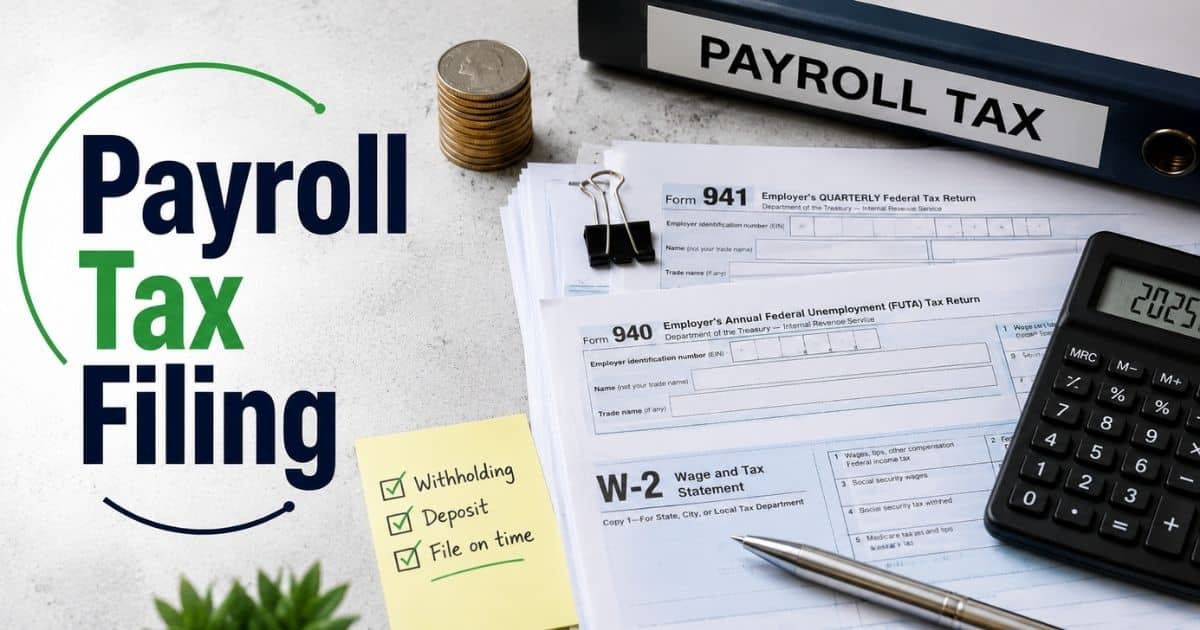
Employers must withhold federal, state, local, and FICA taxes from part-time employee wages using the same procedures as for full-time employees, regardless of their part-time status. Collect accurate Form W-4 data and update it when employees change dependents or filing status.
Social security and medicare taxes apply to each paycheck regardless of hours worked. Part-time workers with multiple jobs may face under-withholding since each employer acts independently. Generate quarterly reconciliation reports using tax forms to verify payments submitted to tax authorities and avoid late fees.
Maintain Detailed Payroll Records For Part-Time Staff
Keep essential employee payroll records including personal details, hire dates, wage rates, hours worked, and pay slips for at least three years under federal guidelines. Some states require four years of retention.
Digital document storage tied to a centralized payroll management system reduces audit times by up to 70%. Conduct semi-annual audits to verify rates, classifications, and tax codes remain accurate. Clean records support quick responses to agency inquiries and protect against employment terms disputes.
Legal And Regulatory Compliance For Part-Time Payroll
Part-time payroll is governed by federal baselines, state variations, and local ordinances that change annually. Staying compliant requires understanding multiple layers of labor laws and legal requirements.
Federal Wage And Hour Standards
The fair labor standards act covers minimum wage, overtime, and recordkeeping for non exempt employees. The federal minimum remains $7.25 per hour unless superseded by state or local rates. Overtime at 1.5 times the regular rate applies after 40 hours weekly, even for part time workers who occasionally exceed that threshold.
State And Local Variations Affecting Part-Time Pay
Many states set higher minimum wage rates. State laws often mandate sick leave accrual, such as one hour per 30 hours worked. Cities may require predictive scheduling with premium pay for last-minute changes. Identify every jurisdiction where part time employees perform work, including remote locations.
Child Labor Rules For Young Part-Time Workers
Federal law limits employees under 16 to 3 hours on school days and 18 hours during school weeks in non-hazardous occupations. States may add work permit requirements. Violations involving minors attract higher penalties and reputational damage. Collect proof of age before adding minors to payroll.
Consequences Of Non-Compliance
Mishandling part-time payroll leads to wage claims, back pay orders, and civil penalties. Failing to track overtime properly or ignoring local laws triggers Department of Labor investigations. Audits often result from employee complaints. Regular internal reviews and compliance dashboards help identify red flags early.
Documentation And Policy Transparency
Written wage, overtime, and leave policies should specifically address part time employees. Include policies in the employee handbook and obtain signed acknowledgements at onboarding. Update policies annually to reflect law changes and communicate updates clearly. Transparency builds trust and reduces disputes about employee rights.
Compensation And Benefits Strategies For Part-Time Teams
Structuring fair pay and an employee benefits program with HR software for small businesses helps attract and retain talent in roles with historically high turnover.
Designing Competitive Hourly Pay Structures
Benchmark hourly wages against local competitors using current market data. Add differentials of 10-25% for night, weekend, or holiday season shifts. Formal pay ranges help part time workers see how rates grow with tenure and specialized skills. Review pay rates annually to keep pace with inflation.
Integrating Part-Time Employees Into Bonus And Incentive Plans
Include part-time staff in performance bonuses prorated by full time equivalent hours. Tie incentives to measurable metrics like attendance or customer satisfaction scores. Equitable access to incentives increases engagement and helps retain talent.
Determining Benefits Eligibility And Thresholds
Part-time employees may receive benefits, but it is generally at the discretion of their employers, as there are no federal requirements mandating benefits for part-time workers. Under the affordable care act, employers with 50 or more full time equivalent employees are required to provide health insurance only to those who work 30 hours per week or 130 hours per month, but they can choose to extend benefits to part-time employees working fewer hours.
Long-term part-time employees who work at least 500 hours per year for two consecutive years must be allowed to participate in the company’s 401(k) plan under updated regulations effective in 2025. Part-time workers are generally covered by workers’ compensation laws and may be eligible for unemployment benefits depending on state-specific wage and hour thresholds. Retirement savings plans and fringe benefits can attract workers with limited availability.
Implementing Prorated Leave And Paid Time Off
Calculate prorated vacation for part-time employees based on hours worked. A 24-hour worker receives 60% of full-time annual leave entitlement. Accrual-based systems award small increments each pay period. Paid leave should appear clearly on pay statements.
Communicating Total Rewards To Part-Time Employees
Explain the full compensation package including base pay, premiums, and training opportunities. Welcome packs at onboarding outline what new hire employees receive. Annual statements showing monetary value of rewards improve retention among part time workers.
Scheduling, Timekeeping, And Hour Management
Building schedules and capturing time data accurately with smart attendance tracking software keeps payroll reliable for fluctuating part time schedules.
Building Predictable Yet Flexible Schedules
Balance predictable shifts with business flexibility. Publish rosters at least two weeks in advance where local laws require it. Offering fixed shift patterns or availability windows helps part time workers who work flexible hours plan their lives. Schedule stability simplifies payroll calculations.
Preventing Unplanned Overtime For Part-Time Staff
Unplanned hours can turn part-time roles into overtime situations. Set approval processes for extra shifts. Use alerts when employees project to exceed 40 hours. Redistribute hours among several part-time workers to lower costs. Tracking patterns helps determine how many hours justify a full time positions hire.
Choosing And Enforcing Timekeeping Methods
Modern timekeeping tools include mobile apps, biometric clocks, and web-based systems that generate detailed employee time log reports. Require employees to clock in at shift start and out at the end. Audit records regularly to detect buddy punching. Accurate, contemporaneous data protects both parties in disputes.
Managing Split Shifts And Multiple Locations
When part-time employees work at multiple locations, tag hours by cost center. Split shifts in hospitality require clear policies on travel time between sites. Accurate allocation supports labor cost analysis by branch and ensures compliance with local laws for each location.
Linking Scheduling Data To Payroll Calculations
Integrating rostering, timekeeping, and the payroll system with payroll automation software reduces manual entry errors. Approved shifts flow automatically once managers sign off. Real-time dashboards show scheduled versus actual hours. Run payroll with variance reports to spot patterns affecting pay.
Global And Multi-Jurisdiction Considerations
Businesses with part-time employees across states or countries face additional payroll processing complexity.
Different Legal Definitions Of Part-Time Status
Some countries use weekly hour thresholds while others focus on contract terms. A 25-hour worker might qualify as part-time in the U.S. but trigger full benefits requirements in some European countries. Map definitions per jurisdiction and update employment terms accordingly.
Handling Cross-Border Tax And Social Contributions
Register with tax authorities in each country where you pay employees. Income taxes and social contributions vary significantly outside the United States. Double taxation agreements may affect cross-border commuters. Use payroll platforms supporting multi-country tax tables.
Variations In Statutory Benefits And Leave
Paid vacation and medical leave requirements vary by country. Some jurisdictions require proportional paid leave from day one. Create country-specific annexes to global policies detailing local entitlements.
Currency, Exchange Rates, And Reporting
Multi-country employers may pay part-time workers in different currencies. Record contractual pay in local currency and convert only for reporting. Payroll tools supporting multi-currency ledgers help manage fluctuations.
Data Privacy And Cross-Border Data Transfers
Comply with data protection regulations like GDPR when processing employee data. Limit access to personal and pay data. Secure transfers between countries using appropriate contractual clauses. Regular security reviews maintain trust.
How Payrun Supports Payroll For Part-Time Employees
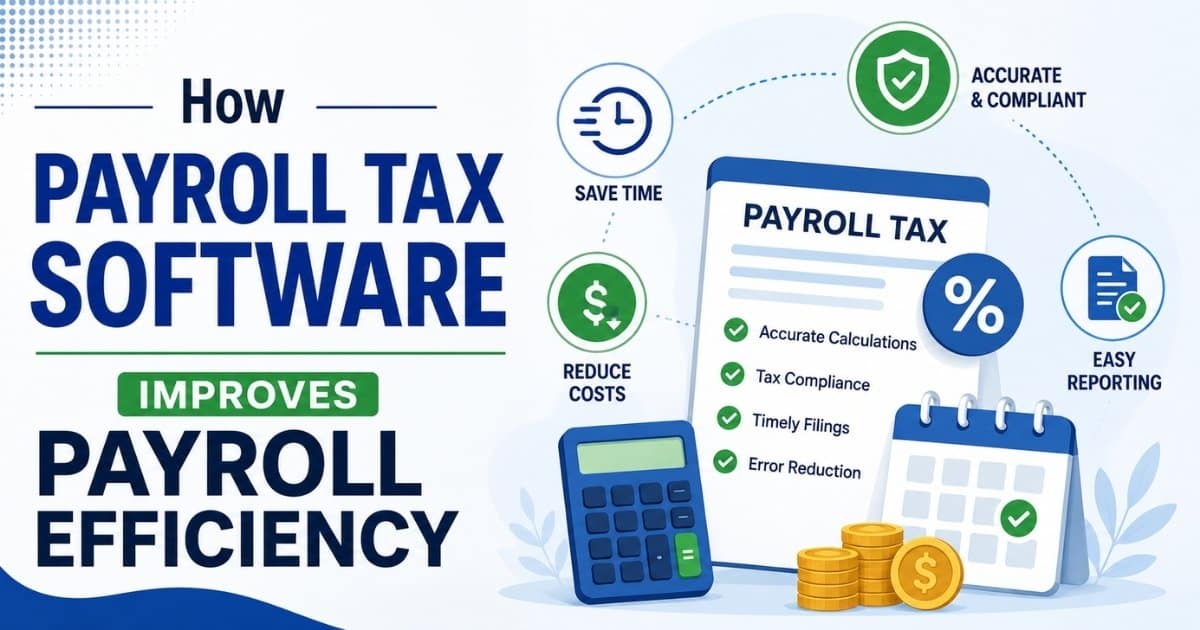
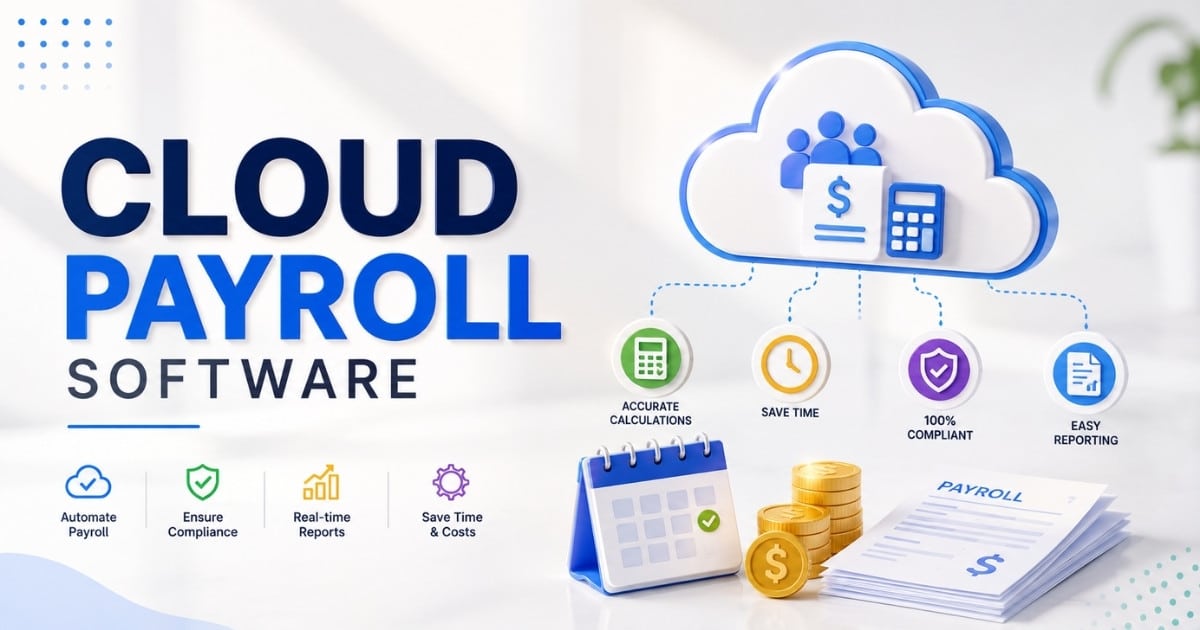
Payrun automates hourly pay calculations, overtime calculations, and multiple rates for part-time staff across locations. Using payroll software with automation features can help manage the complexities of part-time payroll, including variable hours, overtime calculations, and compliance with local labor laws.
Integrated time tracking ensures accuracy, while payroll processing software handles leave accruals and compliance updates for changing wage and hour regulations. Analytics dashboards monitor labor costs, overtime patterns, and scheduling efficiency. Direct deposit simplifies payment processing.
Payrun’s all-in-one HR platform stays aligned with 2026 requirements across multiple jurisdictions, helping businesses run payroll accurately without complexity. Explore a demo to see how Payrun handles part-time payroll workflows and helps your team stay compliant while reducing payroll errors.
Frequently Asked Questions
How Should Payroll Change When A Part-Time Employee Becomes Full-Time
Issue a new offer letter with the effective date, updated hours, salary or hourly wage, and full benefits eligibility. Update classification in the payroll system, adjust tax and benefit deductions, and recalculate leave accrual rates to match full time status.
What Happens If I Discover I Underpaid A Part-Time Employee Months Ago
Calculate the exact shortfall for each affected pay period, including any overtime pay underpayments. Issue back pay as soon as possible, clearly labeled on the stub, with correct tax withholdings. Document the cause and update processes to prevent similar issues.
How Do I Handle Payroll For A Part-Time Employee With Two Roles In My Business
Each role can have a separate pay rate and cost center. Total hours must be combined to assess overtime eligibility. The regular rate for overtime uses weighted averages across multiple rates when hours exceed 40 per week. Time entries should specify which role applies to each shift.
Can Part-Time Remote Employees Create Extra Payroll Complications
Remote part-time workers may trigger tax and labor law obligations in their home state or city. Confirm the jurisdiction for each employee and configure payroll to apply correct local tax and wage rules. Accurate timekeeping remains essential for supervising remote staff.
How Often Should I Review My Policies For Part-Time Payroll
Review policies at least annually, ideally before a new calendar year, to incorporate law changes. Conduct interim reviews when expanding to new states, changing benefits, or adopting new scheduling practices. Document revisions, train managers, and notify employees so part time teams always understand how pay is handled.